
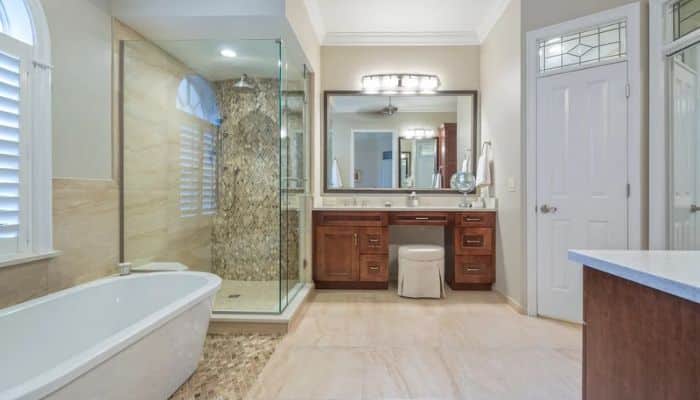
If your Columbus bathroom feels outdated, cramped, or difficult to use, 2026 is a great year to rethink the space. Homeowners are moving beyond simple cosmetic updates and choosing bathrooms that combine comfort, functionality, efficiency, and personal style. From spacious walk-in showers to warmer natural materials and smarter storage, today’s designs are built for everyday living.
For homeowners considering bathroom remodeling Columbus Ohio, the biggest opportunity is to create a space that looks modern while solving practical problems such as limited storage, inefficient fixtures, poor lighting, and awkward layouts.
Whether you’re planning a complete renovation or a smaller upgrade, these bathroom remodeling trends can help you decide where to invest.
Why Bathroom Remodeling Trends Matter in Columbus in 2026
Bathroom remodeling remains one of the most popular home improvement projects. According to the National Association of Home Builders (NAHB), bathroom remodels were among the most common remodeling projects in 2025, while residential remodeling activity is expected to grow in 2026. Aging homes and the growing interest in aging-in-place improvements are also influencing renovation decisions.
For Columbus homeowners, that means a renovation can be about much more than appearance. A well-planned bathroom can improve daily comfort, make better use of available space, reduce water consumption, and potentially make a home more appealing to future buyers.
Top Bathroom Remodeling Trends in Columbus Ohio for 2026
1. Spa-Inspired Bathroom Designs
Bathrooms are increasingly being designed as relaxing retreats rather than purely functional spaces.
Think large-format tile, rainfall showerheads, comfortable lighting, natural textures, freestanding tubs, built-in niches, and calming neutral colors. You can create a spa-like atmosphere without necessarily choosing the most expensive materials.
For a luxury bathroom remodeling project, consider combining layered lighting, premium tile, a spacious shower, and custom storage to create a more relaxing experience.
2. Large Walk-In Showers
Walk-in showers continue to be one of the most practical upgrades for modern bathrooms.
A properly designed walk-in shower can make a bathroom feel larger while providing easier access than a traditional tub. Frameless glass, linear drains, built-in benches, handheld showerheads, and recessed niches can add both functionality and visual appeal.
Walk-in shower installation is particularly worth considering if your household rarely uses the bathtub.
3. Warm, Natural Materials
The cool gray look that dominated bathroom design for years is giving way to warmer and more inviting interiors.
Natural wood tones, stone-inspired surfaces, earthy colors, textured tile, and warm metallic finishes can make a bathroom feel more comfortable and less sterile.
For Columbus homeowners, these materials can also help create a timeless design that won’t look dated after a few years.
4. Statement Bathroom Vanities
The vanity is becoming a major design feature instead of an afterthought.
Floating vanities, custom cabinetry, natural wood finishes, quartz countertops, integrated lighting, and larger drawers are popular choices for 2026.
Good vanity design should balance appearance with storage. Before choosing a vanity, consider how much counter space you actually need and where everyday items will be stored.
5. Smart Bathroom Technology
Technology is finding its way into more bathroom renovations.
Depending on your budget, smart features can include:
- LED mirrors
- Motion-activated lighting
- Smart toilets
- Digital shower controls
- Heated toilet seats
- Humidity-sensing ventilation
- USB charging outlets
The key is to choose technology that improves convenience rather than adding gadgets simply because they are trendy.
6. Sustainable and Water-Efficient Fixtures
Energy and water efficiency are becoming important considerations during bathroom renovation Columbus Ohio projects.
WaterSense-labeled fixtures can help homeowners reduce water use without sacrificing performance. The EPA notes that bathrooms account for more than half of indoor household water use and says a full bathroom upgrade with WaterSense fixtures can save nearly 10,000 gallons of water annually.
Consider low-flow toilets, efficient faucets, WaterSense showerheads, LED lighting, and other energy-conscious upgrades when planning your renovation.
7. Bold Tile and Statement Walls
Not every bathroom needs to be completely neutral.
Patterned floor tile, textured shower walls, decorative backsplashes, and bold accent walls can add personality without overwhelming the room.
If you prefer a timeless design, use neutral tile throughout most of the bathroom and introduce a stronger pattern in one carefully selected area.
8. Heated Bathroom Floors
Stepping onto a cold bathroom floor on a winter morning is one problem heated flooring can solve.
Electric radiant floor heating can provide added comfort, especially during colder Ohio months. It can be particularly appealing in primary bathrooms where homeowners spend more time getting ready.
When planning heated floors, discuss installation requirements with your remodeling professional before selecting the final flooring material.
9. Accessible and Aging-in-Place Bathrooms
Accessibility is no longer something homeowners need to consider only after mobility becomes an issue.
Curbless showers, grab-bar blocking, handheld showerheads, wider clearances, shower seating, non-slip flooring, and easy-to-use controls can make a bathroom safer and more comfortable.
NAHB reported that requests for aging-in-place features have increased significantly or somewhat for many remodeling professionals over the past five years.
The best accessible bathroom design can blend safety features into an attractive modern layout.
10. Better Bathroom Storage
Storage problems are among the most common reasons homeowners remodel bathrooms.
Instead of relying on a small vanity cabinet, consider:
- Recessed medicine cabinets
- Built-in shower niches
- Tall linen cabinets
- Vanity drawer organizers
- Floating shelves
- Custom cabinetry
- Under-sink storage
The goal is to give everything a dedicated place while keeping countertops clear.
11. Minimalist and Clutter-Free Designs
Minimalism in 2026 isn’t necessarily about creating a completely white bathroom with almost nothing in it.
Modern minimalist bathrooms focus on clean lines, concealed storage, simple hardware, consistent materials, and an uncluttered layout.
This approach can be especially effective for a small bathroom remodel, where too many visual elements can make the room feel even smaller.
12. Personalized Custom Bathroom Designs
Homeowners are increasingly looking for bathrooms designed around how they actually live.
A custom bathroom remodeling project may include a double vanity, specialized storage, a larger shower, unique tile patterns, custom lighting, or a layout designed around mobility and daily routines.
Instead of copying a showroom bathroom, consider which features will make your specific bathroom easier and more enjoyable to use.
Bathroom Remodeling Ideas for Small Columbus Bathrooms
A small bathroom doesn’t need to feel cramped.
One of the best strategies is to prioritize visual openness and smart storage. A glass shower enclosure can reduce visual barriers, while a floating vanity can expose more floor area.
Large-format tiles can also reduce the number of grout lines and create a cleaner appearance. Recessed medicine cabinets, wall-mounted fixtures, and vertical storage can provide additional functionality without consuming valuable floor space.
For a small bathroom remodel, avoid trying to fit every trend into the room. Choose two or three features that provide the greatest functional and visual impact.
How Much Does a Bathroom Remodel Cost in Columbus Ohio?
The cost of a bathroom remodel in Columbus depends heavily on the scope of work.
A simple tub-to-shower conversion or cosmetic update can cost substantially less than a complete renovation involving new plumbing, custom cabinetry, premium tile, electrical upgrades, or changes to the bathroom’s footprint.
Recent Columbus homeowner discussions show a wide range of real-world project quotes, from roughly $10,000–$12,000 for relatively straightforward smaller projects to $30,000 or more for larger or more comprehensive renovations. These figures are anecdotal rather than official market averages, so homeowners should obtain project-specific estimates.
Your budget should account for:
- Bathroom size
- Demolition
- Plumbing changes
- Electrical work
- Tile and flooring
- Shower or tub selection
- Vanity and countertops
- Fixtures
- Lighting
- Ventilation
- Labor
- Permits, where applicable
- Unexpected repairs
The best way to establish a realistic budget is to have a qualified local remodeling professional evaluate the existing bathroom and provide a detailed estimate.
How to Choose a Bathroom Remodeling Contractor in Columbus Ohio
Choosing the right contractor can have as much impact on your finished bathroom as choosing the right tile.
When comparing bathroom remodeling contractors Columbus Ohio, look for:
- Experience with projects similar to yours
- A portfolio of completed bathroom renovations
- Clear, detailed estimates
- Proof of appropriate licensing and insurance
- References or reviews from previous customers
- A clearly defined project timeline
- Transparent communication about materials and labor
- A written contract outlining the scope of work
Don’t automatically choose the lowest quote. A significantly cheaper estimate may leave out important work or use lower-quality materials.
Ask each contractor exactly what is included so you can compare estimates fairly.
Bathroom Remodeling Mistakes to Avoid
A beautiful bathroom can still be frustrating if the planning is poor.
Avoid these common mistakes:
- Choosing style over functionality
- Underestimating storage needs
- Ignoring ventilation
- Selecting slippery flooring
- Making unnecessary plumbing changes
- Forgetting adequate lighting
- Buying fixtures before confirming measurements
- Trying to squeeze too many features into a small space
- Choosing materials without considering maintenance
- Hiring a contractor based only on price
Good planning before demolition can prevent many expensive changes later.
Is 2026 a Good Time to Remodel Your Bathroom?
For homeowners who have been putting off a bathroom renovation, 2026 offers plenty of reasons to move forward.
The remodeling market is expected to continue growing, and homeowners are increasingly investing in spaces that improve comfort, efficiency, accessibility, and long-term usability.
However, the best time to remodel is ultimately when the project fits your budget, goals, and timeline.
If your bathroom has persistent problems, outdated fixtures, poor storage, water damage, or an inefficient layout, waiting may not make the underlying issues disappear.
Frequently Asked Questions
What are the bathroom remodeling trends for 2026?
Major trends include spa-inspired bathrooms, walk-in showers, warm natural materials, statement vanities, smart technology, water-efficient fixtures, bold tile, heated floors, accessible layouts, improved storage, minimalist designs, and custom features.
How much does a bathroom remodel cost in Columbus Ohio?
Costs vary considerably depending on the size and scope of the project. Smaller updates can start around the low five figures, while comprehensive or luxury renovations can reach $30,000, $50,000, or significantly more. Get a detailed local estimate before setting a final budget.
How long does a bathroom remodel take?
A straightforward bathroom renovation may take several weeks, while a complex project involving structural changes, plumbing relocation, custom materials, or extensive tile work can take longer. Your contractor should provide a project-specific timeline.
Is a walk-in shower better than a bathtub?
It depends on your household. Walk-in showers offer convenient access and can make a bathroom feel more open. However, homeowners with young children or those who regularly use a tub may prefer keeping one bathtub in the home.
What bathroom upgrades add the most value?
Functionality-focused improvements such as updated fixtures, quality flooring, better lighting, improved storage, attractive vanities, and well-designed showers can make a bathroom more appealing. The value of a specific upgrade depends on the home and local market.
How do I choose a bathroom remodeling contractor in Columbus Ohio?
Compare several qualified contractors, review their portfolios, verify insurance and credentials, read customer reviews, request detailed estimates, and make sure the contract clearly explains the project’s scope, materials, payment schedule, and timeline.
Should I remodel my bathroom or make smaller upgrades?
If the layout works and the major components are in good condition, smaller improvements may be enough. If you have persistent storage, plumbing, accessibility, water damage, or layout problems, a complete renovation may provide better long-term results.
Ready to Transform Your Columbus Bathroom?
The best bathroom remodel isn’t necessarily the one with the most expensive fixtures or the latest design trends. It’s the one that fits your home, lifestyle, budget, and long-term plans.
Whether you’re considering a small bathroom remodel, a walk-in shower conversion, or a complete custom renovation, working with an experienced local professional can help you make smarter decisions from design through installation.
Ready to plan your bathroom renovation in Columbus, Ohio? Contact a trusted local remodeling professional to discuss your space, goals, and budget and request a personalized project estimate.
