
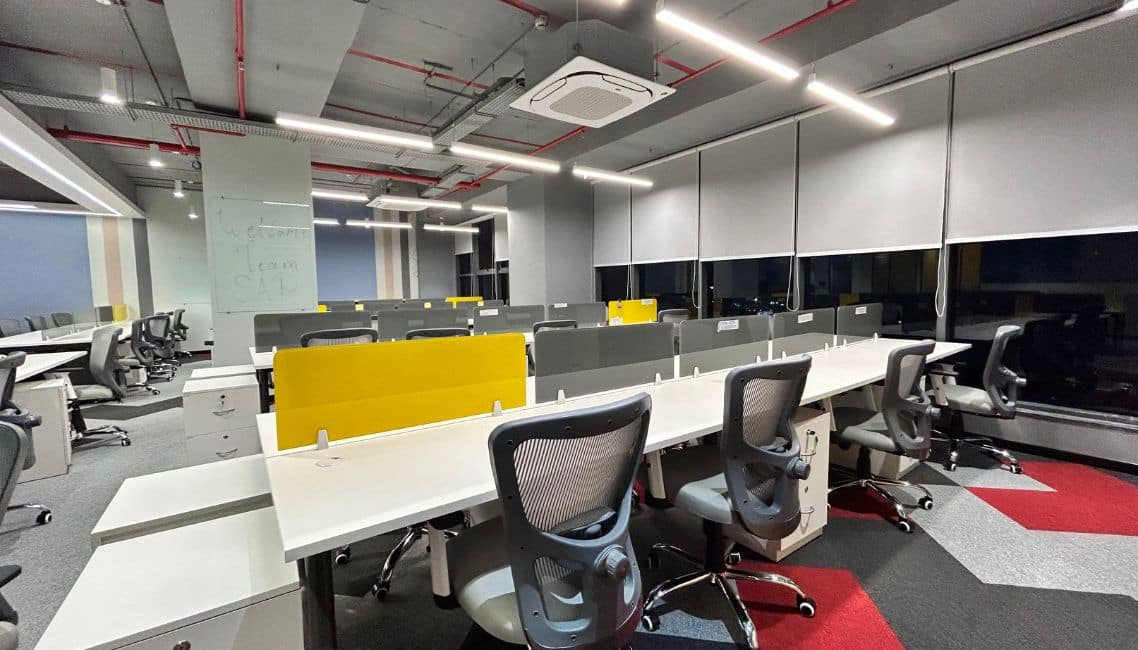
Businesses are rapidly rethinking how their commercial spaces function, look, and feel. As we move into 2026, commercial interiors are no longer just about aesthetics — they are about flexibility, employee well-being, sustainability, and technology integration. Companies are investing in modern design solutions that improve productivity, enhance brand identity, and create better experiences for both employees and customers.
In recent years, commercial interior renovation has shifted from simple upgrades to strategic transformations. Organizations now prioritize adaptable layouts, smart technology, and sustainable materials to future-proof their spaces. These trends reflect changing workplace behaviors, hybrid work models, and increasing expectations for comfort and functionality.
Below are the top commercial interior design and renovation trends shaping 2026.
Flexible Workspaces and Modular Design
Flexibility is one of the biggest drivers of commercial interior updates in 2026. Businesses are moving away from rigid layouts and embracing adaptable environments that support hybrid work and evolving team structures.
Key flexible workspace trends include:
- Movable walls and partitions
- Multi-functional meeting rooms
- Open collaboration zones
- Quiet focus pods
- Hot-desking and shared workstations
These adaptable designs allow businesses to reconfigure spaces quickly without major construction. This approach also helps companies reduce long-term renovation costs while improving efficiency.
Sustainable and Eco-Friendly Materials
Sustainability continues to influence commercial design decisions. Organizations are prioritizing eco-friendly materials and energy-efficient solutions to reduce environmental impact and operational costs.
Popular sustainable renovation choices include:
- Recycled and reclaimed materials
- Low-VOC paints and finishes
- Energy-efficient lighting systems
- Sustainable flooring options
- Natural lighting optimization
Green renovations not only support environmental responsibility but also improve indoor air quality and employee well-being. Many companies are also pursuing sustainability certifications as part of their long-term business strategy.
Smart Technology Integration
Technology is becoming a core component of modern commercial interiors. Smart offices improve efficiency, automate processes, and create seamless user experiences.
Technology-driven renovation trends include:
- Smart lighting and climate control
- Touchless entry systems
- Wireless collaboration tools
- Smart conference rooms
- IoT-enabled workspace management
These innovations help businesses optimize space usage, reduce energy consumption, and improve workplace productivity.
Employee Wellness and Biophilic Design
Employee well-being is a top priority for organizations in 2026. Companies are investing in healthier environments that boost morale, reduce stress, and improve productivity.
Wellness-focused design elements include:
- Indoor plants and green walls
- Natural materials and textures
- Improved air circulation systems
- Wellness rooms and relaxation areas
- Natural light and open layouts
Biophilic design connects people with nature, creating more comfortable and engaging workspaces.
Brand-Focused Interior Design
Commercial interiors are becoming an extension of a company’s brand identity. Businesses are using design elements to communicate their values, culture, and mission.
Brand-driven renovation features include:
- Custom wall graphics
- Branded color palettes
- Feature walls and signage
- Unique reception areas
- Interactive customer spaces
These design elements create memorable experiences for clients and employees while reinforcing brand consistency.
Commercial Interior Renovations for Hybrid Work Models
Hybrid work continues to influence office layouts. Companies are redesigning spaces to support both remote and in-office employees.
Hybrid-friendly renovation features include:
- Collaboration hubs
- Video conferencing rooms
- Shared team spaces
- Smaller private offices
- Flexible seating arrangements
This approach allows businesses to balance collaboration with individual productivity.
Minimalist and Modern Aesthetic
Minimalist design continues to gain popularity in interior commercial renovation projects. Clean lines, neutral tones, and clutter-free layouts create professional and timeless spaces.
Minimalist trends include:
- Neutral color palettes
- Sleek furniture designs
- Open layouts
- Simple lighting fixtures
- Functional storage solutions
Minimalist interiors help create calm, focused work environments that support productivity.
Multi-Purpose Commercial Spaces
Businesses are increasingly designing multi-purpose environments that serve multiple functions. This trend maximizes space utilization and improves operational efficiency.
Examples include:
- Meeting rooms doubling as training spaces
- Break areas used for informal collaboration
- Event-ready office spaces
- Convertible conference rooms
Multi-functional design helps businesses adapt to changing needs without frequent renovations.
Future of Interior Commercial Renovation
Looking ahead, commercial spaces will continue evolving to support innovation, flexibility, and sustainability. Companies that invest in forward-thinking design solutions will create environments that attract talent, improve performance, and enhance customer experience.
As workplace expectations change, businesses must focus on creating adaptable, comfortable, and technology-driven environments. The top trends in 2026 highlight the importance of strategic planning and thoughtful design when upgrading commercial interiors.
Commercial spaces are no longer static environments — they are dynamic ecosystems designed to support growth, collaboration, and long-term success.
